18 April 2026 · 4 min read · By AlphaNorm
What NORM means for Qatar's energy sector
Why operators are paying closer attention to naturally occurring radioactive material — and what compliance actually requires.
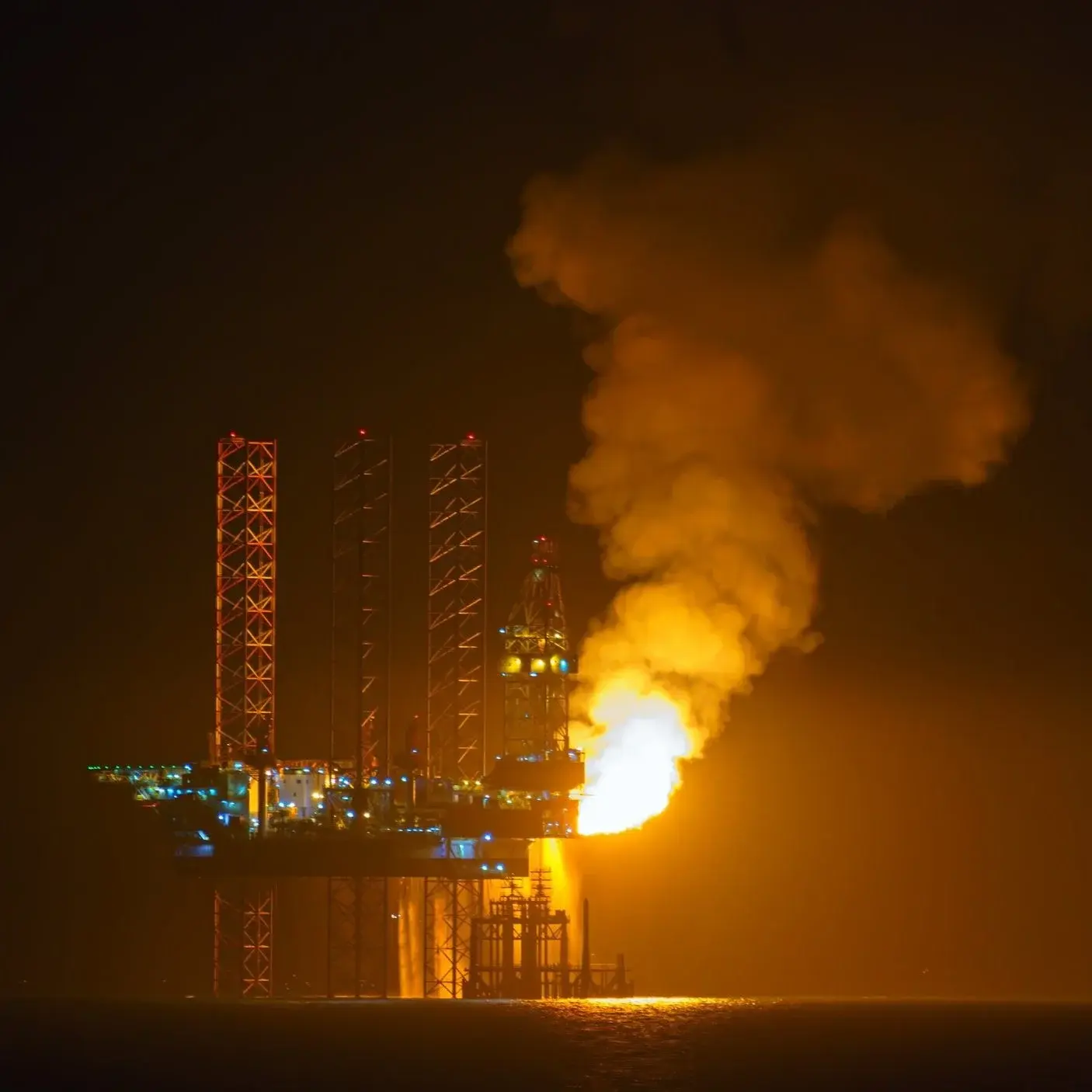
Naturally occurring radioactive material — NORM — has always been there. Uranium, thorium, and their decay products are present in the rock formations producing oil and gas across the GCC. What has changed is regulatory expectation: operators are now expected to know where the elevated activity is, document it, and manage exposures to workers and the public.
For Qatar's energy sector, that means baseline characterization, ongoing monitoring, and a defensible programme for occupational dose. None of this is optional anymore — it's the cost of operating in a regulated energy market.
What's actually required
Three things, in roughly this order: (1) a baseline radiological survey that establishes what's normal for the site; (2) a monitoring programme that tracks change over time and across operational events; (3) a dose programme that manages worker exposures with a clear ALARA posture.
The deliverable that matters most to a regulator is documentation. Not the survey, not the data — the documentation that connects them, with traceability and uncertainty. A well-instrumented site with no QA paper trail is, regulator-side, indistinguishable from a site with no measurements at all.
Where this lands
The operators that are ahead of this don't view NORM management as a cost centre. They view it as an operational discipline that reduces variance — fewer surprises in the regulator's office, fewer disputes with insurers, fewer interruptions to production. The companies treating it as paperwork are the ones still surprised by it. The companies treating it as engineering are the ones moving past it.